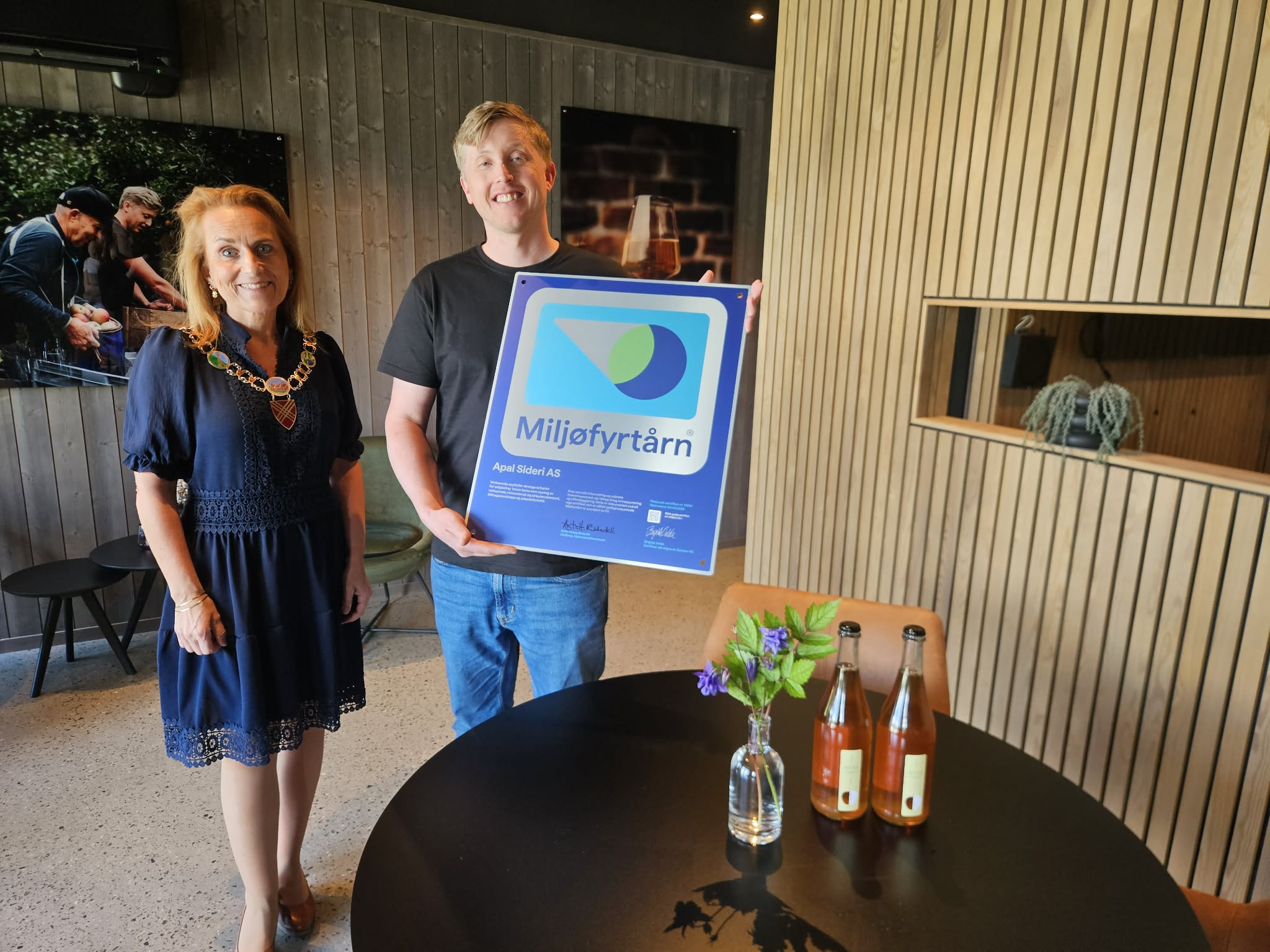
On Halsnøy, a new producer is beginning to develop a modern fruit farm with ambitions for both large-scale production and strong local roots. Rabalder Sideri is planning thousands of apple and pear trees, a dedicated collection of traditional Ryfylke varieties, and future cider production based on both tradition and new knowledge.
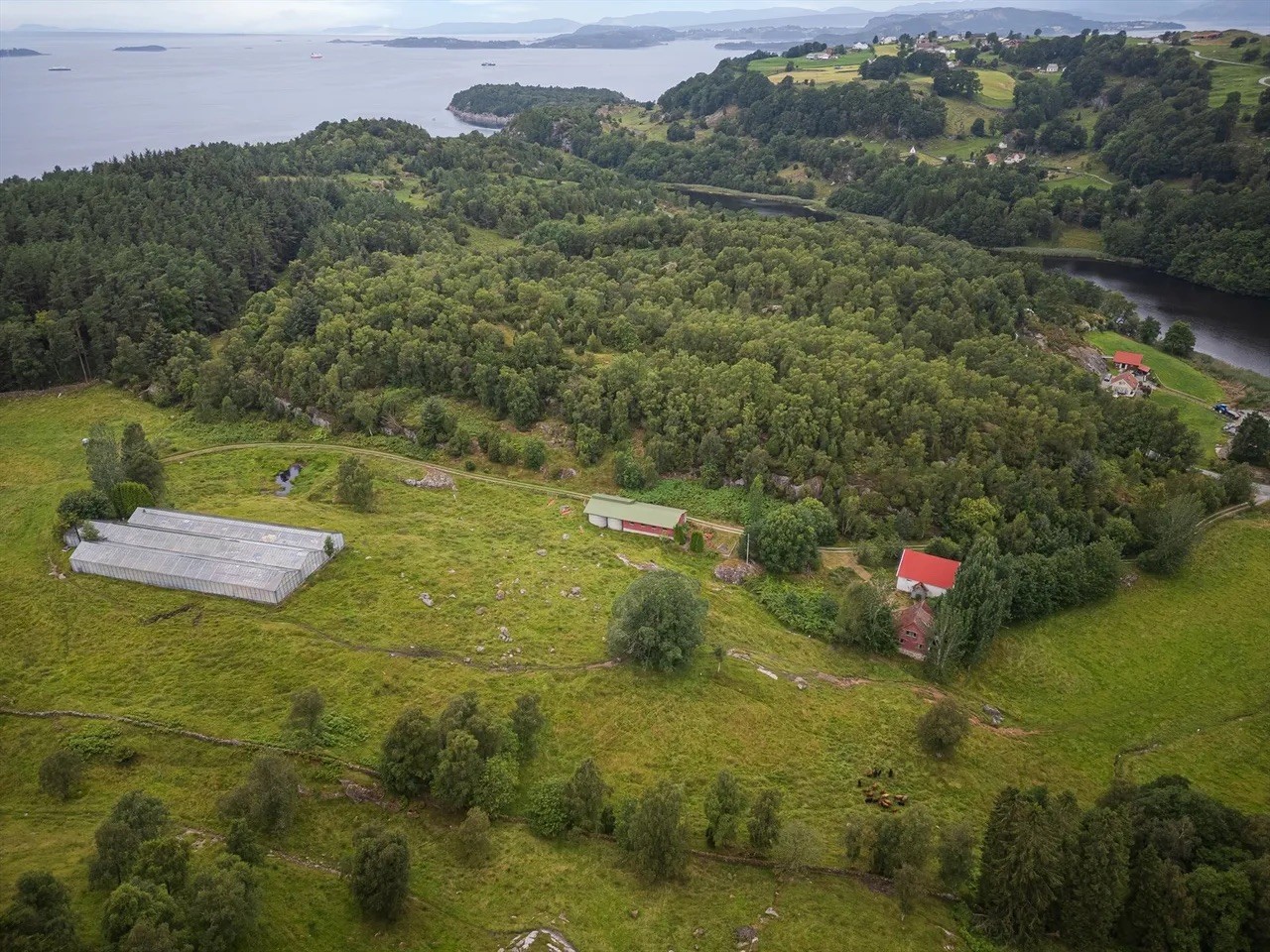
Earlier this year, a 177-decare smallholding by Skartveitvågen was sold, and the buyer, Øystein Skjæveland, has clear plans for the property. In the coming years, the area will be developed into a full-scale fruit farm. A four-year plan is already in place, aiming to plant around 12,000 apple and pear trees, of which more than 60% are English and French varieties.
Skjæveland also plans to set aside a separate field for old Ryfylke varieties that are well suited for cider production, and he values input from locals with knowledge of traditional cultivars.
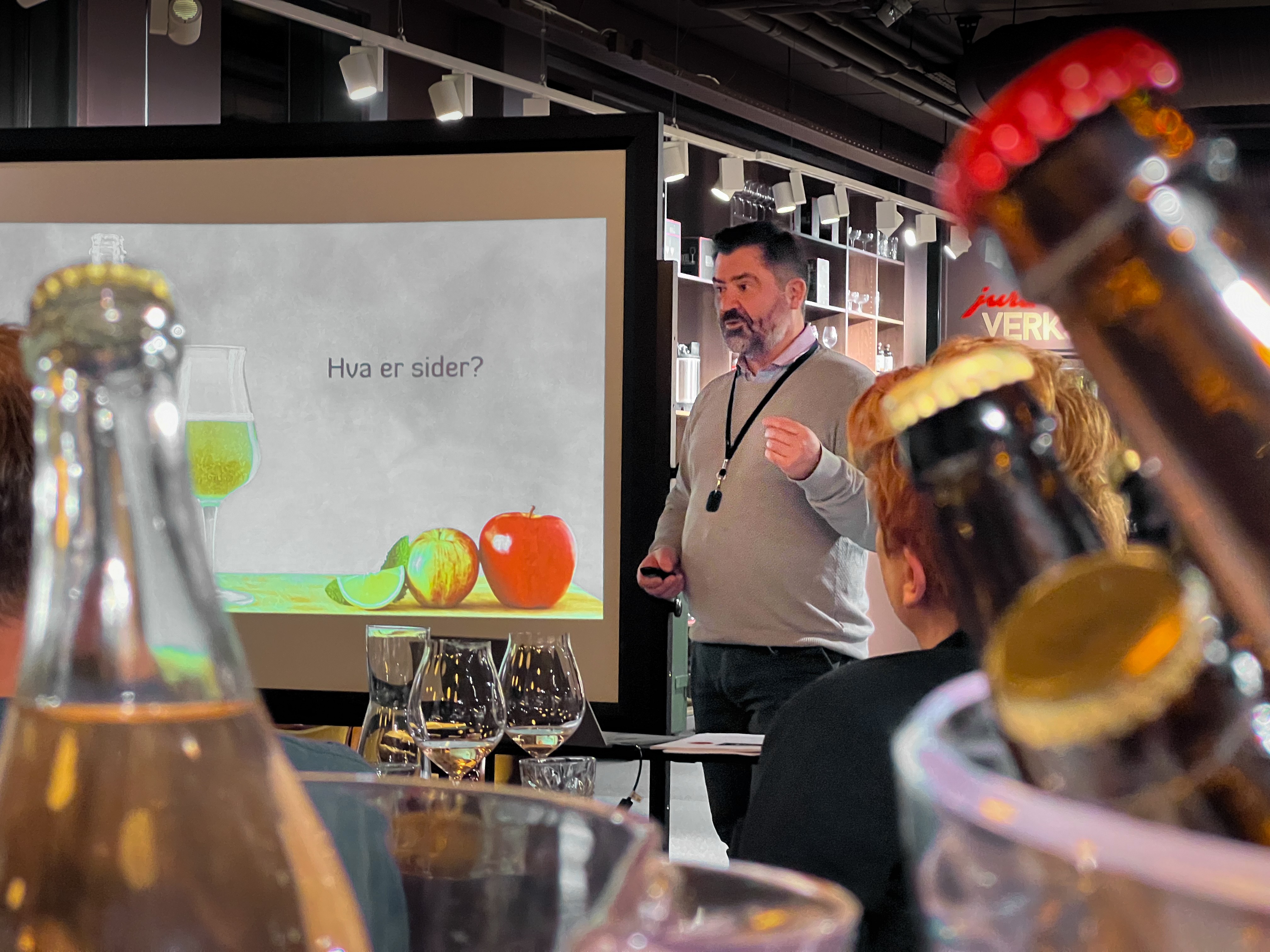
Øystein started making cider eight years ago and has since built solid expertise through courses in both Hardanger and England. He is also a trained horticulturist and recently completed the pommelier program at Fagskulen Vestland in Hjeltnes.
His focused work has already yielded strong results, and at the cider festival in Øystese this fall, he won the award for Best New Product with an alcohol-free cider. Alcohol-free cider is a rapidly growing segment, and it is also the type of product he intends to develop further.
In recent years, fruit and berry cultivation has seen positive growth across the region. On Finnøy and Halsnøy, several new ventures are underway, and Rabalder Sideri is becoming part of this growing community alongside both established and emerging producers such as Ramsen Gård, Hanasand, and Halsnøy Safteri. This strong regional engagement allows producers to learn from one another, create synergies, and strengthen the position of local food and beverage producers.
The smallholding Skjæveland has taken over includes a farmhouse, an operations building, and a 1,300-square-meter greenhouse. The house from the 1920s requires extensive rehabilitation, and in the meantime, he is living in a caravan while the work is underway.
The greenhouse opens opportunities for cultivating raspberries and strawberries, with some of the berries eventually being used in various beverage products as the production develops. However, the most important step, according to Øystein, is establishing a modern cider facility specifically designed for alcohol-free cider production.
Rabalder Sideri is now in an early but exciting stage of development. Skjæveland is balancing the work on the fruit farm with his regular job, spending weekends working on Halsnøy.
As part of the collaboration with TEAL, the venture receives support in business development, concept work, and strategic choices. The goal is to help Rabalder Sideri establish itself as a sustainable and competitive producer in a market that continues to grow—both regionally and nationally.